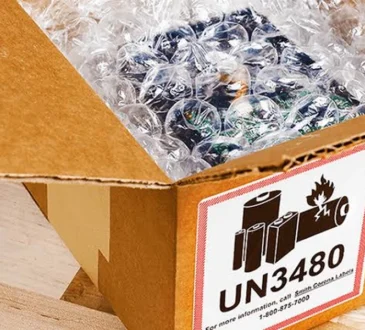
A house starts feeling strange once moving boxes begin showing up near the walls. Everyday routines slowly disappear without anybody noticing at first. Coffee makers get packed too early, drawer handles stay open all day, and somebody always asks where the tape went even though it was sitting nearby five minutes earlier. During the beginning stages of relocation planning, many families compare schedules, truck sizes, and moving support from companies such as Alliance Moving & Storage while trying to keep the entire process from turning stressful before departure day even arrives.
Heavy Boxes Become Everybody’s Biggest Mistake
There is always one box packed so heavily nobody wants to carry it. Usually books. Sometimes kitchen appliances. Also, somebody ends up dragging it across the floor after realizing it considers far more than expected.
Smaller boxes make relocation easier even if packing takes slightly longer. Delicate belongings also survive better when containers are not overloaded.
Several things deserve separate attention:
- Chargers and important cables
- Daily medications
- Important documents
- Cleaning supplies
- Basic kitchen items
- Extra clothing for several days
People often spend too much energy trying to make every container look perfect. Real moving situations rarely stay neat for long once schedules tighten and exhaustion starts building.
Communication Problems Start Quietly
Professional movers also appreciate straightforward communication before moving day arrives. Parking restrictions, apartment elevators, narrow staircases, or delayed access should never become surprise problems during loading hours.
Around the middle of relocation planning, many households begin reading articles connected to Long Distance Packing Guide topics because the original moving strategy usually starts falling apart after several tiring days of nonstop sorting and packing. Advice that once sounded repetitive suddenly feels useful once real exhaustion begins affecting small decisions.
Financial Stress Appears from Unexpected Places
Long distance relocation is almost always costing more than people expect at the beginning. Small expenses pile up quietly over time. Fuel increases, storage becomes necessary, hotel stays get extended, or takeout meals replace normal dinners once the kitchen is packed away.
Lawyers handling property matters connected to relocation sometimes suggest saving digital copies of agreements before moving day. That advice seems unnecessary until paperwork suddenly cannot be found when needed later.
Mail forwarding also gets delayed too often. People wait until the final few days and then forget important updates connected to billing statements or legal notices still going to the previous address.
Mental Exhaustion Changes the Entire Experience
Physical packing feels exhausting, but mental fatigue creates different problems entirely. Sleep schedules become inconsistent. Patience disappears faster.
Children notice the stress quickly even if adults avoid discussing it openly. Familiar routines disappear fast once bedrooms become surrounded by stacked containers and empty shelves. Older relatives often struggle emotionally too because relocation changes daily habits, they followed for years without thinking much about them before.
Most moves never happen exactly according to plan anyway. Delays appear somewhere, unexpected problems interrupt schedules, and something important always gets packed earlier than it should have. Still, families slowly work through its piece by piece until the house finally sits quiet again with nothing left except tape marks on the floor and a few forgotten hangers inside empty closets.