Source: Freepik.com
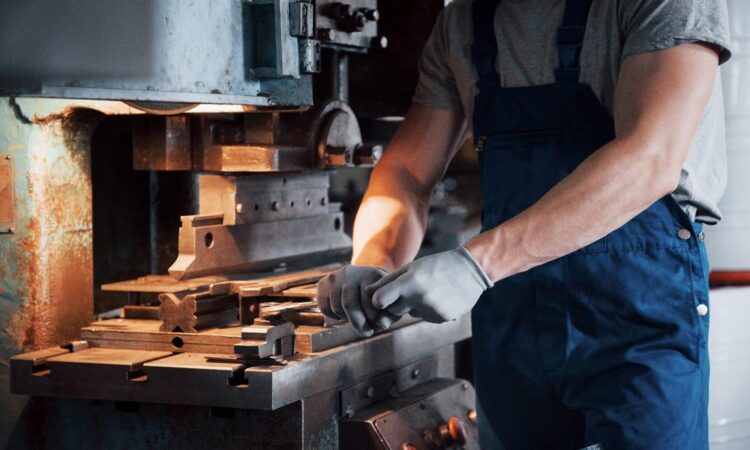
Press brake equipment is a vital piece of equipment in metalworking and fabrication, which is needed to bend, shape, and form metal sheets into accurate designs. To novices, it is important to learn how to safely and effectively use this equipment in order to achieve good work without accidents.
Press brakes work with all types of materials and thicknesses; however, their application may entail errors, spoiled materials, or even injuries. It is important to learn about the basic parts and the process of bending to ensure safe work.
This article includes important details on press brake equipment, including safety and machine installation, and bending tips, so the novice can start with these.
Getting to Know Machinery
Press brake machinery is made up of a punch and die set, which operate jointly to bend metal sheets. The sheet is pressed by the upper tool (punch) into the lower tool (die) to form a controlled bend at the required angle.
Modern brakes have computer numerical control CNC, thus making them able to make fine adjustments and give consistent results. Before trying to do anything, one should understand the control panel, emergency stops, and safety guards.
Safety First
These risks of operating a press brake machine lie in high pressure and moving parts. It is necessary to wear personal protective equipment, such as gloves, safety glasses, steel-toed shoes, etc.
The space surrounding the press brake should always be clear, and emergency stop buttons should be available. Do not, in any way, use your hands to support metal sheeting close to the punch or die. The adherence to safety measures will minimize the possibility of accidents.
Selection and Preparation of Materials
It is always a good idea to know the nature and the thickness of the metal you are working on before bending it. Materials like steel, aluminum, or stainless steel are different and possess different degrees of flexibility and need varying degrees of force settings.
The metal preparation involves the cleaning of the metal, inspection of the metal, and precision in measuring to provide similar bends. It reduces the number of mistakes and prevents any harm to the press brake or the material, which is achieved through proper preparation.
Bending Techniques
The following are the various methods of bending of press brake machinery: air bending, bottoming, and coining.
Air Bending: The punch presses the sheet on, but does not press the sheet into the die. This has a smaller amount of force and can be used on various angles.
Bottoming: The sheet is pressed into the die, giving a sharp angle. This is a technique that is more forceful yet gives precise results.
Coining: This is done to make a fine bend and the sharper angles. Thicker materials are better at coining.
Maintenance Tips
The life of press brake machinery is prolonged due to frequent maintenance. Oil moving parts, observe the state of the hydraulic fluid, and examine tools worn or damaged.
Maintaining the equipment lowers the downtime, maintains steady performance, and averts accidents that are a result of the breakdown of the equipment.