At a glance:
- Poor pallet upkeep leads to unstable loads, rising product damage, equipment wear, and higher pallet replacement costs.
- Routine pallet inspection, repair, rotation, and safe handling practices keep wooden pallets structurally sound and ready for use.
- Proactive pallet maintenance reduces failures, protects equipment, strengthens workplace safety, and stabilises day-to-day operating costs.
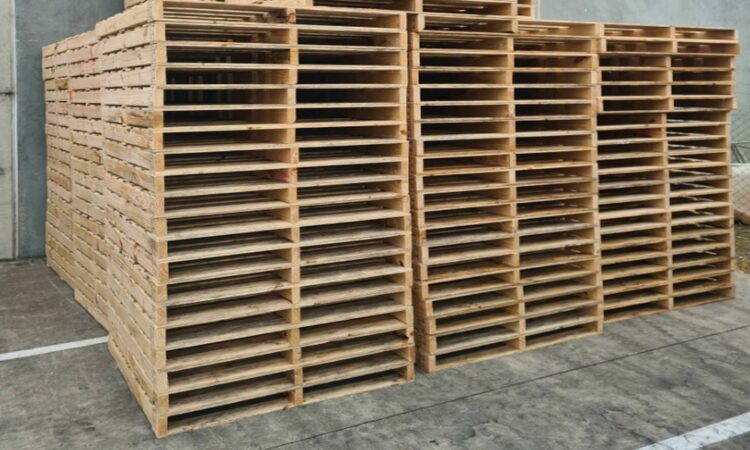
Wooden pallets carry more weight in warehouse operations than most equipment, yet they often receive the least attention. And when pallet maintenance is overlooked, daily operations are placed at risk.
Pallets fail sooner, loads become unstable, product damage escalates, and forklifts and pallet jacks begin to suffer unnecessary wear. Businesses also face higher pallet replacement costs because damaged pallets fail sooner when they are not maintained promptly. These issues rarely appear on a single dashboard, but they quietly erode margins across an entire supply chain.
This article outlines what effective wooden pallet maintenance entails and explains how proactive pallet maintenance reduces day-to-day operating costs.
What Effective Pallet Maintenance Looks Like in Daily Operations
Pallet maintenance should be a part of routine warehouse operations. It is simple, repeatable work that keeps timber pallets safe, reliable, and ready for constant movement.
Practical maintenance activities include:
- Regular pallet inspection during receiving, staging, or replenishment allows teams to check pallet boards, stringers, pallet runners, fasteners, and moisture exposure. Inspection helps identify damage early, before pallet breakage becomes likely.
- Wooden pallet repair that restores structural integrity. This includes replacing broken boards, tightening fasteners, repairing split stringers, and reinforcing load-bearing points.
- Working with pallet repair services to manage higher volumes or maintain consistent standards across multiple sites.
- Pallet condition checks during load handling to confirm weight limits, pallet load safety, and the accuracy of stable load distribution.
- Pallet rotation to keep older pallets moving evenly through the system instead of leaving them in high-stress areas for extended periods.
- Safe handling practices by forklift drivers and pallet jack operators to reduce strain on timber pallets and maintain warehouse pallet safety.
These activities form the foundation of proactive pallet maintenance, aiding asset longevity, reducing pallet failure, and supporting smoother warehouse operations without adding complexity. Maintaining pallet inspection reduces risk of load collapse and ensures there is streamline supply chain handling without loss of product due to pallet failure.
How Regular Pallet Maintenance Reduces Operating Costs
Regular pallet maintenance limits wasted spend across handling, storage, and transport. The sections below explain where these savings come from and how they accumulate across daily operations.
Extending Pallet Lifespan Through Routine Upkeep
Routine maintenance slows the natural wear on wooden pallets as they move across forklifts, pallet jacks, conveyor systems, and pallet racking. Small issues such as cracking, loose nails, fasteners, and early moisture damage are easy to repair when identified early. If left untreated, these weaknesses lead to structural failure and waste.
Extending the life of each pallet reduces the volume of replacements required each year. This supports pallet longevity and provides warehouse managers with clearer visibility into procurement budgets.
Maintenance supports reliable pallet performance, leading to fewer handling errors and less time lost correcting unstable loads.
Repairing Pallets Instead of Replacing Them
Pallet repair is one of the most effective cost reduction strategies available to supply chain managers. Repair programs restore damaged pallets at a fraction of the cost of replacement. Repairs cover broken boards, cracked stringers, weakened corners, and compromised load-bearing points.
Reinforced pallets perform more consistently under load, helping prevent product loss and stabilising daily workflow. Businesses that work with pallet repair services or pallet refurbishment providers gain a steady supply of serviceable pallets without the expense of urgent procurement during peak periods.
Preventing Damage to Products, Equipment, and Warehouse Infrastructure
Many high-value losses inside distribution centres begin with a damaged pallet. A pallet that collapses or shifts under load can crush inventory and create costly rework for warehouse teams. Split boards and uneven bases place stress on pallet racking, shelving, and warehouse storage systems.
Over time, this creates maintenance problems that require engineering attention. Poor pallet condition also affects equipment protection because forklifts, pallet jacks, and conveyor systems are sensitive to protruding nails, splintered timber, and warped surfaces.
Routine pallet inspection prevents small defects from escalating into equipment failures or infrastructure damage, reducing operational downtime and maintaining consistent warehouse productivity.
Reducing Workplace Safety Incidents
Damaged pallets create avoidable safety issues for warehouse staff. Issues such as loose boards, sharp timber edges, unstable runners, and weakened corners increase the risk of slips, trips, and dropped loads. They also contribute to forklift instability when operators attempt to lift pallets that are no longer structurally sound.
Maintaining wooden pallets lowers the risk of injuries that lead to workers’ compensation claims, lost labour time, and Work Health and Safety (WHS) compliance exposure. Safer pallet handling supports warehouse risk management and keeps daily operations moving without interruptions during busy periods.
Regular pallet maintenance is a practical way to eliminate avoidable waste from warehouse operations. In addition, when wooden pallets remain structurally sound, products move through the system with fewer delays, equipment lasts longer, and procurement teams avoid sudden replacement orders.
With routine pallet maintenance, your business gains a steadier workflow, safer handling, and predictable operating costs. Businesses that treat pallets as maintainable assets rather than disposable consumables gain greater control across storage, handling, and transport.
For businesses looking to control replacement costs and streamline daily workflow, working with a trusted wooden pallet repair and supply partner like Waterstone Pallets helps maintain pallet quality and operational reliability.