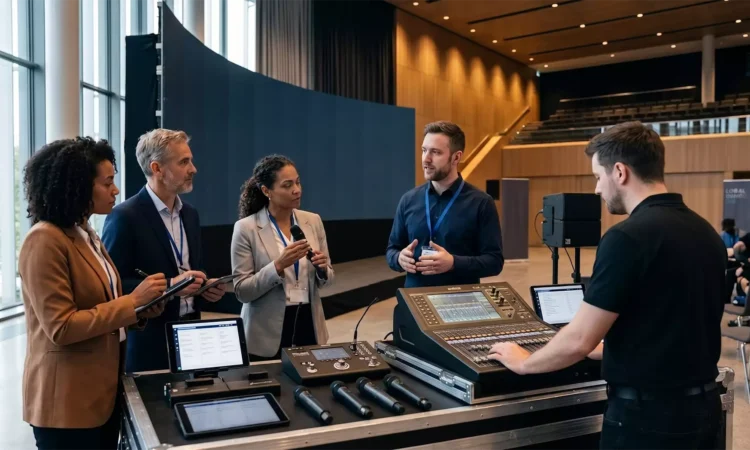
A campaign can visit several venues and still feel like one connected experience. Guests should recognise the activity, understand how to join, and see the same campaign identity wherever they encounter it. That does not mean every floor plan must be identical.
Working with an event equipment supplier for agencies can help connect those different setups. The agency’s job is to define what must stay consistent and explain where the equipment or layout can change to suit each location.
Decide What Guests Should Recognise
Keep the Main Activity Clear
Start with the experience rather than the equipment list. If the campaign centres on a prize game, decide how people approach it, receive instructions, take a turn, and move away afterwards.
That sequence can stay familiar even when the attraction moves from a mall atrium to an office event. Write it down in a short brief so the supplier and venue teams understand what the campaign is trying to deliver.
Separate Fixed Features From Flexible Ones
Identify the features that need approval before they change. These may include the main machine, branded artwork, activity instructions, and the way prizes are handled. Supporting equipment and positions may have more room for adjustment.
For example, a larger venue could accommodate an additional carnival game without changing the central activity. A smaller venue might need a simpler supporting setup. Agree on these options early so staff are not making campaign decisions during installation.
Treat Every Venue as a Separate Setup
Check the Route Into the Building
A floor plan can show where a machine should stand without explaining how it will reach that space. Loading bays, service lifts, narrow doors, and turning areas can affect the delivery.
When arranging equipment support for agency roadshows, provide access information for every location. Do not assume that a successful first installation means the same arrangements will work at the next stop.
Confirm the following details:
Delivery and collection windows
Lift and doorway measurements
Available electrical points
Floor and ceiling restrictions
Player and spectator space
The venue contact for access
Adapt the Layout Without Losing the Idea
Preserve the main activity and the order in which guests use it. Adjust the queue, supporting attractions, or position of the instructions to suit the local space.
Avoid squeezing equipment into a layout that leaves no comfortable waiting area. Reducing optional items can give the main attraction more room and make the campaign easier to understand. A recognisable experience matters more than repeating every measurement from the first venue.
Give Every Team the Same Information
Prepare a Short Setup Guide
Create one working guide with the equipment models, quantities, approved artwork, and activity rules. Add a simple venue layout and the contact details needed for delivery or technical questions.
Use the same names for equipment throughout the campaign. Similar-looking machines can have different sizes or requirements, so a vague description may create confusion. Ask the supplier to flag proposed substitutions before dispatch rather than leaving the local team to discover them on arrival.
For example, Carnival World supplies self-owned event equipment and supports logistical coordination for agency events. Sharing a complete campaign brief helps clarify how that support fits the agency’s responsibilities at each venue.
Brief the People Facing Guests
The visitor experience depends on what staff say as well as what equipment arrives. Everyone should explain participation, turns, and prize collection in the same clear way.
Give staff a brief chance to try the activity before opening. This helps them answer basic questions and notice unclear instructions. If the rules change during the campaign, update the shared guide and tell every team using it.
Build in a simple approval process for changes between venues. If a machine must be replaced, identify who checks its appearance, dimensions, and effect on the activity rules. A substitution can affect more than the equipment list.
Keep the latest approved information in one place, with a clear date or version name. This helps prevent an older layout or artwork file being reused accidentally. The goal is to make the correct setup easy to reproduce without relying on staff remembering every discussion from the previous event.
Improve the Rollout After Each Stop
Photograph the finished setup before guests arrive. Record anything that affected delivery, queue space, or the time needed to prepare the activity. These notes can prevent the same difficulty from appearing at the next venue.
An event equipment supplier for agencies should receive relevant updates promptly. A change in machine choice or access arrangements may affect transport and setup planning beyond the local site.
Consistency comes from shared decisions, clear instructions, and useful feedback. When those details are settled, an agency can adapt to different venues while giving guests a campaign that still feels familiar to guests visiting any stop on the campaign route.